


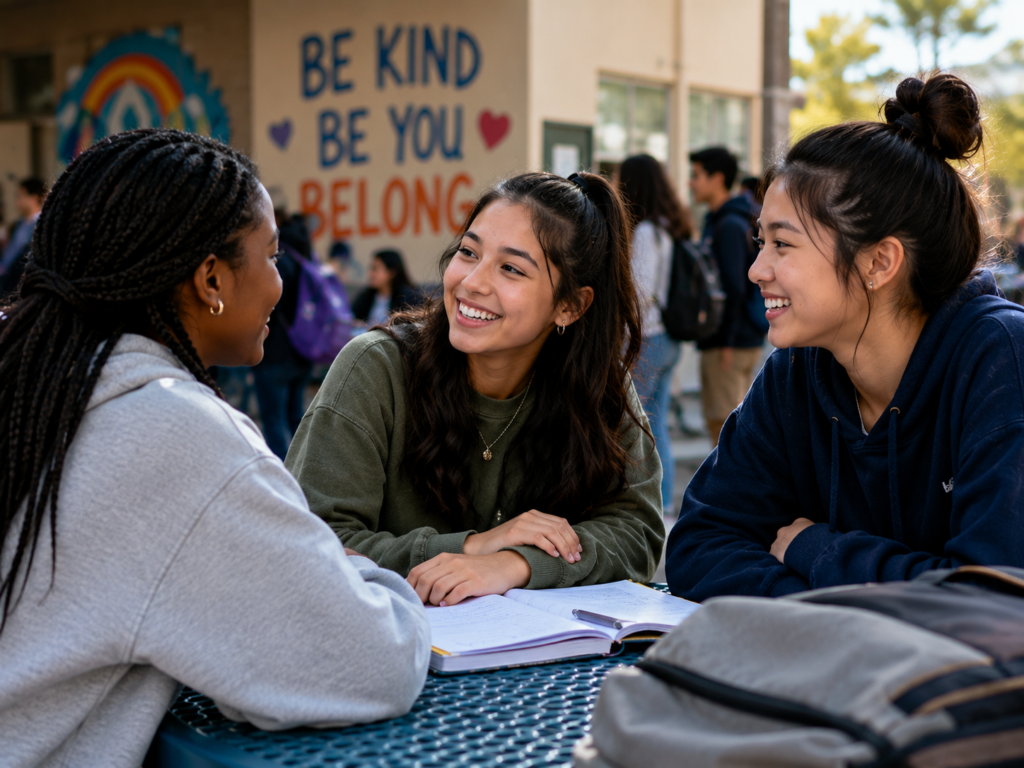
Friendship Is More Than Being Friendly
Every parent wants their child to have a friend.
Not the kind of friend who simply sits nearby in the classroom or occasionally joins a game at recess, but the kind of friend who invites them over after school, remembers their birthday, includes them in conversations, and stands beside them when life becomes difficult.
For many children, teens, and adults with ADHD, those friendships can be surprisingly difficult to build and even harder to maintain.
That often comes as a surprise because people with ADHD are frequently warm, funny, creative, energetic, and deeply caring. They usually want meaningful friendships just as much as anyone else. Yet they may find themselves wondering why conversations seem awkward, why misunderstandings happen so often, or why friendships fade despite their best intentions.
The answer is rarely a lack of kindness or interest.
More often, friendship depends on a collection of invisible skills that ADHD can make much more challenging.
The Hidden Skills Behind Every Friendship
Most of us think of friendship as something that happens naturally. We assume that children simply “click” with one another or that adults find people with similar interests and become friends over time.
In reality, friendships rely on dozens of executive function and emotional regulation skills that most people never notice.
Successful friendships require us to recognize social cues, wait our turn in conversations, remember details about another person’s life, manage disappointment, apologize after misunderstandings, regulate our emotions, notice when someone feels left out, and stay connected even when life becomes busy.
These skills develop gradually throughout childhood and adolescence. For people with ADHD, they may develop differently or require more intentional practice. What looks like a social problem is often an executive function challenge in disguise.
When Good Intentions Are Misunderstood
Imagine a ten-year-old boy named Mateo. Mateo is bright, funny, and endlessly curious. He loves science, soccer, and telling stories. His classmates enjoy being around him—at first. But during conversations he interrupts because he is afraid he will forget what he wants to say. He changes topics quickly because his mind races from one exciting idea to another. He becomes so enthusiastic during games that he accidentally dominates the activity. When he loses, his disappointment sometimes overwhelms him.
None of these behaviors come from a desire to upset anyone. Yet classmates may interpret them differently. They may think he is bossy, self-centered, or not listening. Mateo goes home confused. He thought everyone was having fun.
This disconnect between intention and perception is one of the most painful parts of ADHD.
The Emotional Weight of Rejection
Children with ADHD often experience more corrections from adults and more difficult peer interactions than their classmates. Over time, many begin expecting rejection. A friend who does not text back immediately becomes proof that the friendship is over. A classmate choosing another partner for a project feels deeply personal. A small disagreement can seem like the end of an important relationship.
Researchers have increasingly recognized that many people with ADHD experience what is known as rejection sensitivity—an unusually intense emotional response to real or perceived criticism or exclusion. Whether or not the rejection is intentional, the emotional pain can feel overwhelming. As a result, some children become clingy, others withdraw, and some avoid friendships altogether because they fear getting hurt.
The Teenage Years Raise the Stakes
Friendships become even more important during adolescence. Teenagers spend increasing amounts of time with peers and begin defining themselves through their social groups. They are also navigating social media, texting, dating, and a rapidly changing social landscape. For teens with ADHD, these years can feel especially complicated.
Impulsive comments may be captured forever in group chats. Forgetting to reply to messages may unintentionally communicate disinterest. Strong emotions may lead to conflicts that escalate more quickly than expected.
Meanwhile, many teenagers with ADHD are also comparing themselves to carefully edited versions of other people’s lives online. The result can be loneliness, anxiety, or the belief that everyone else understands friendship better than they do.
Fortunately, that belief is rarely true. Friendship is not an instinct that some people have and others lack. It is a skill that continues to develop throughout life.
Adults Are Still Learning
Many adults assume that friendship challenges disappear after childhood. In reality, they often change form. An adult with ADHD may genuinely intend to call a friend but become distracted for weeks.
They may forget birthdays despite caring deeply. They may arrive late, cancel plans at the last minute, or become so immersed in work or family responsibilities that relationships unintentionally drift away. Friends who do not understand ADHD may interpret these behaviors as indifference.
The person with ADHD often feels guilty because their intentions and actions do not match. Recognizing this gap can be enormously freeing. It shifts the question from, “Why am I such a bad friend?” to “What systems would help me be the friend I want to be?” Sometimes the answer is as simple as calendar reminders, recurring lunch dates, or making it a habit to send a quick message when someone comes to mind.
Helping Children Build Friendship Skills
Parents naturally want to protect their children from disappointment. Yet friendships cannot be created through protection alone. Children become better friends by practicing friendship. That may mean role-playing conversations before a birthday party. It may mean talking through what happened after a disagreement rather than assigning blame.
Parents can ask questions like:
- “What do you think your friend was feeling?”
- “What might you do differently next time?”
- “How could you let them know you still care?”
These conversations help children develop perspective-taking, empathy, and problem-solving—skills that strengthen relationships throughout life. The goal is not to script every interaction but to help children become more aware of the invisible parts of friendship.
Small Moments Build Strong Relationships
Many lasting friendships are built through small, consistent acts rather than dramatic gestures.
- Remembering to ask about a soccer game.
- Congratulating a friend after a performance.
- Checking in after someone has had a difficult day.
- Listening without immediately changing the subject.
- Showing up when you said you would.
These habits may seem obvious, but for someone with ADHD they often require intentional systems rather than relying on memory alone. That does not make the friendship less genuine. It simply recognizes that different brains sometimes need different strategies.
Friendship Is a Skill That Can Be Learned
Perhaps the most encouraging news is that social skills continue developing throughout life. Children who struggle socially in elementary school often become confident young adults. Teenagers who feel awkward today may discover their closest friendships in college, at work, through hobbies, or in their communities. Adults who have spent years wondering why relationships felt difficult often find that understanding their ADHD changes everything.
Instead of criticizing themselves, they begin noticing patterns. Instead of assuming failure, they build strategies. Instead of withdrawing, they reconnect.
The capacity for friendship has always been there. Sometimes it simply needs the right tools to flourish.
The Gift of Being Understood
Every meaningful friendship begins with feeling accepted for who we are. Children, teens, and adults with ADHD do not need to become different people to have close relationships. They need opportunities to understand how their brains work, develop the skills that support healthy relationships, and find friends who appreciate their strengths as much as they accept their challenges.
The most successful friendships are not built on perfection. They are built on patience, understanding, honesty, forgiveness, and shared experiences. Those qualities are available to everyone—including people with ADHD.
And when families, teachers, coaches, and friends recognize that social struggles are often rooted in executive function rather than a lack of caring, something remarkable happens. Judgment gives way to understanding. Confidence begins to grow. And friendships that once seemed out of reach become not only possible, but deeply rewarding.
Learn More
Want to explore this topic further? These evidence-based resources provide practical guidance for parents, educators, and adults living with ADHD.
- https://www.additudemag.com/social-skills-for-kids-friendships-adhd/
- https://chadd.org/adhd-news/adhd-news-caregivers/friendship-problems-how-parents-can-help/
- https://www.verywellmind.com/how-to-make-friends-when-you-have-adhd-20402
- https://pmpediatriccare.com/blog/how-adhd-shapes-social-life-for-kids-and-teens/
- https://www.healthline.com/health/adhd/adhd-and-friendships