

A Different Kind of Freshman Orientation
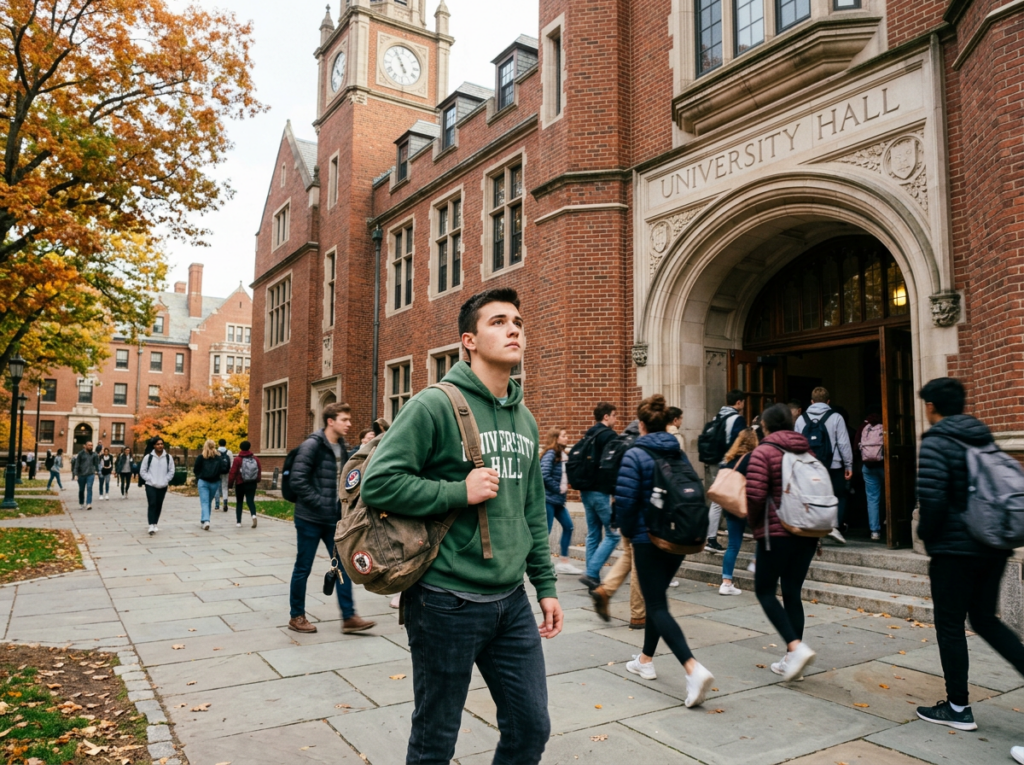
The weeks before college are filled with excitement. Students shop for dorm room essentials, choose meal plans, meet future roommates, and imagine the freedom that comes with living on their own. Families celebrate an important milestone while quietly wondering how quickly everything will change.
For students with ADHD, the transition often involves more than adapting to a new campus. It marks the moment when many of the executive function supports that quietly existed throughout childhood begin to disappear. Parents are no longer there to remind them about appointments or notice that an assignment has been forgotten. Teachers are less likely to check whether homework has been completed. Daily schedules become far less structured, and the responsibility for managing time, priorities, and competing demands shifts almost entirely to the student.
College is not simply a change in location, it’s a change in responsibility.
Success Depends on More Than Intelligence
Many students with ADHD arrive on campus fully capable of mastering college-level work. They are intelligent, creative, curious, and eager to learn. Yet within the first semester, some begin falling behind—not because the material is beyond them, but because the systems that helped them succeed in high school are no longer in place.
- Assignments are spread across multiple syllabi.
- Professors expect students to monitor deadlines independently.
- Long-term projects require planning weeks in advance.
- Laundry, meals, finances, social activities, and sleep all compete for attention alongside coursework.
The challenge is rarely a lack of ability. It’s the need to manage dozens of executive function demands that were once shared with parents, teachers, and structured school routines.
Freedom Is Wonderful—Until It Becomes Overwhelming
Most students look forward to having greater independence. For young adults with ADHD, that independence can feel both exhilarating and intimidating. No one tells them when to go to bed. No one notices if they skip breakfast. No one reminds them that an exam is approaching.
The freedom to choose also brings the responsibility to plan. Students often discover that managing themselves is a full-time job in its own right. This realization is not a sign that they are failing. It’s evidence that executive function is now the invisible curriculum of college.
Preparing Before the First Day
One of the greatest misconceptions is that students should wait until problems arise before seeking support. In reality, the most successful transitions often begin months before classes start. Students benefit from learning how to use a digital calendar consistently, planning assignments backward from due dates, estimating how long tasks will take, and developing routines that reduce decision fatigue.
Equally important is understanding how their own brain works. When students recognize the situations that tend to overwhelm them, they can develop strategies before those situations become crises. Preparation builds confidence.
Learning to Ask for Help
College also requires a new kind of self-advocacy. In high school, parents often communicate with teachers and counselors. Colleges expect students to speak for themselves. That may mean registering with the disability services office, discussing accommodations with professors, meeting with an academic advisor, or asking questions during office hours.
For some students, these conversations feel uncomfortable. They worry about appearing different or needing extra support. Yet self-advocacy is not a sign of weakness. It’s one of the most important executive function skills a student can develop.
Students who learn to communicate early often resolve small challenges before they become major obstacles.
Technology Can Become an Executive Function Partner
Today’s students have access to tools that previous generations never imagined. For example:
- Digital calendars can send reminders before every class.
- Task management apps can break large assignments into manageable steps.
- AI tools can help organize ideas, summarize readings, generate study plans, and create practice questions.
These technologies don’t replace learning, they support the executive function processes that allow learning to happen more effectively. Used thoughtfully, technology becomes less of a shortcut and more of a trusted partner.
College Is About Becoming Independent
Parents naturally want their children to succeed. Sometimes that leads them to solve problems that students are ready to solve themselves. One of the most important transitions during the college years involves parents gradually moving from managers to mentors.
Instead of asking, “Did you turn in your assignment?” they might ask, “How is your planning system working this week?” And instead of rescuing students from every setback, they help them reflect on what happened and how they might respond differently next time.
The goal is not to remove every obstacle. It’s to help students develop the confidence to overcome them.
Independence Is Built One Habit at a Time
College success rarely depends on one dramatic breakthrough. It’s usually built through dozens of small, consistent habits.
- Reviewing tomorrow’s schedule each evening.
- Checking the calendar every morning.
- Breaking large projects into smaller tasks.
- Maintaining regular sleep routines.
- Asking for help before falling behind.
- Celebrating progress instead of striving for perfection.
These habits may appear simple, but together, they become the foundation of independence.
The Journey Beyond Graduation
Perhaps the greatest gift college offers is not simply a degree. It’s the opportunity to learn how to manage one’s own life. Students who strengthen executive function during college are not only more likely to succeed academically. They are also preparing for careers, relationships, financial responsibilities, and lifelong learning. The diploma recognizes what they have learned. Executive function determines how effectively they apply that knowledge long after graduation.
For students with ADHD, college is more than an academic experience. It’s the place where they begin discovering that independence is not something they suddenly possess. It’s something they build, one decision, one routine, and one success at a time.
What the Experts Suggest
Below are recommendations from experts about how to help your teen navigate the transition from high school to scollege:
- Begin preparing for college executive function demands during the junior and senior years of high school.
- Encourage students to manage their own calendars, appointments, and deadlines before leaving home.
- Register with campus disability services early rather than waiting for difficulties to arise.
- Learn to communicate directly with professors, advisors, and support staff.
- Use digital planning tools and AI thoughtfully to strengthen—not replace—executive function skills.
- Focus on building sustainable habits rather than relying on last-minute effort.
- Remember that independence develops gradually through practice, reflection, and self-awareness.
Learn More
- https://chadd.org/adhd-news/adhd-news-caregivers/college-planning-for-students-with-adhd/
- https://med.stanford.edu/news/insights/2025/11/teens–adhd-and-college-planning–five-things-to-know.html
- https://pmc.ncbi.nlm.nih.gov/articles/PMC10041513/
- https://childmind.org/article/10-tips-going-college-adhd/
- https://www.mcmillaneducation.com/blog/adhd-and-college/